Navigating the Cancer Journey: Essential Resources and Support for Patients and Survivors
Navigating the cancer journey is no small feat, but empowering patients with essential resources can make all the difference. Imagine standing at a crossroads, where one path leads to uncertainty and fear, while the other illuminates hope and understanding. As you embark on this journey, armed with knowledge and support, you open yourself to a world of possibilities. The right cancer resources can help you navigate the complexities of your diagnosis, treatment options, and the broader cancer community—all while enhancing your overall wellness.
In the realm of oncology, knowledge is power. When faced with a malignancy, it's imperative to be proactive about your health. Patient education plays a crucial role here; understanding your symptoms and treatment options can set you on a path toward informed decision-making. Have you ever felt overwhelmed by the sheer amount of information available? Start small! Focus on understanding your specific illness, the tumor's characteristics, and the available therapies. Your healthcare team is there to guide you, and communicating openly with them can uncover valuable insights into your prognosis.
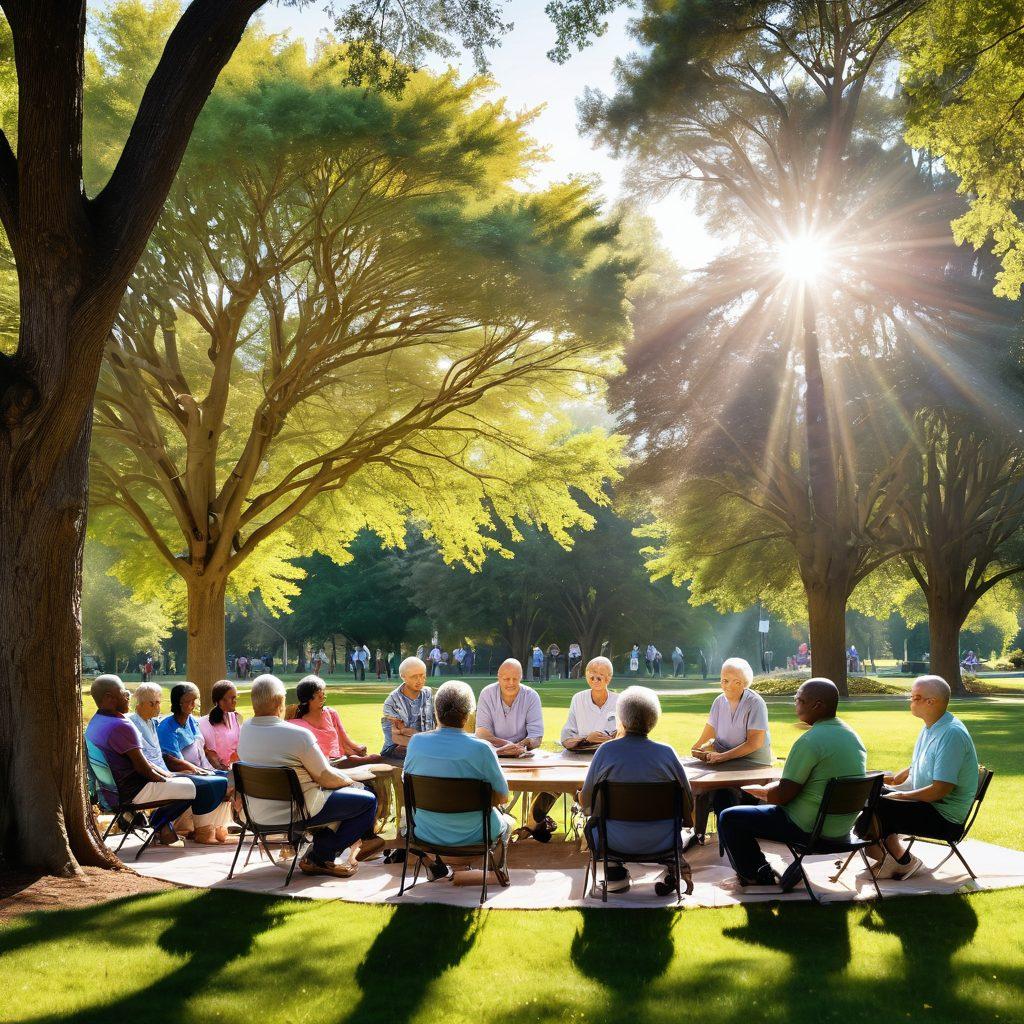
As you navigate your cancer journey, one aspect that often helps is connecting with others who understand your experience. Support groups provide an invaluable opportunity to share thoughts, fears, and triumphs. It's remarkable how a simple conversation can alleviate feelings of isolation. If you've participated in one of these groups, what's your most memorable moment? Perhaps it was hearing a survivor story that inspired you or receiving an unexpected health tip from a fellow navigator in the fight against cancer. These connections fuel resilience, showing you that while the road may be rocky, you’re never alone.
Then, consider the transformative power of lifestyle changes. As you explore cancer prevention and management, adopting healthier habits can be a game changer. Nutritional adjustments, regular exercise, and mindful practices can enhance your overall wellness, promoting not just your physical health but also your mental state. What small changes could you implement today? Maybe it’s swapping a sugary snack for a nutritious alternative or taking a brisk walk to clear your mind. Each step forward is a victory, no matter how small and can contribute to your journey towards remission.
Lastly, staying informed through awareness campaigns and clinical trials can open doors to new opportunities and therapies. Ask yourself: what resources can I access to deepen my understanding? Reading up on the latest clinical trials relevant to your situation could even lead to groundbreaking therapies that could enhance your prognosis. Navigating the cancer journey is undoubtedly challenging, but with the right mindset and resources, you can transform it into a pathway of empowerment, fostering hope and resilience within yourself and the cancer community around you.
Building a Supportive Community: From Diagnosis to Remission
When faced with a cancer diagnosis, the world can feel overwhelmingly isolating. Yet, within that chaos, the importance of building a supportive community becomes glaringly clear. The journey from the initial diagnosis to remission often requires more than just effective oncology interventions; it necessitates a network of understanding, encouragement, and shared experiences. After all, how do you navigate the endless sea of information about malignancies, treatment options, and health resources without a trusty crew by your side?
Imagine this: You're at a healthcare appointment, feeling anxious about your prognosis. You overhear a discussion about various therapies, clinical trials, and the latest cancer resources. Why not tap into this wealth of information available to gather knowledge that empowers your wellness journey? Engaging with fellow patients and survivors through support groups or awareness campaigns can provide insights that you never realized existed. Sharing survivor stories not only sheds light on the realities of living with cancer but also fosters a sense of hope and resilience that is vital in combating illness.
Building a supportive community is not merely about exchanging ideas; it’s about nurturing relationships. Picture a collective space where individuals can voice their fears and triumphs without judgment. Often, it’s through conversations with others who have walked similar paths that you can identify lifestyle changes that may enhance your health and well-being. Have you ever noticed the profound relief that comes with a shared laugh or a comforting hug during a support group session? These small acts of kindness can ignite the spark of hope on days when everything seems heavy.
One of the most empowering aspects of engaging with a cancer community is patient education. From understanding the symptoms that accompany treatment to being informed about the latest in cancer prevention strategies, knowledge is indeed power. Whether it's through workshops, webinars, or simply by conversing with those who have experienced different treatment paths, staying well-informed helps take the guesswork out of your healthcare decisions. So, how can we prioritize seeking out these valuable cancer resources as part of our healing journey?
As you traverse the winding path to remission, never underestimate the power of connection. Whether you're discussing your experiences with an oncology nurse, sharing research on emerging therapies with peers, or simply enjoying quiet moments with friends and family, these interactions shape your resilience against cancer. Remember, creating a supportive community is not just about receiving support; it’s about giving back, too. Who knows? Your story might inspire someone else who finds themselves standing at the crossroads of illness. So, are you ready to step into this vibrant community where stories flourish, and hope reignites?
Navigating Treatment Options: Therapies, Trials, and Lifestyle Changes
Navigating the complex landscape of cancer treatment options can feel like finding your way through a dense fog. Each turn presents new challenges, questions, and choices that can significantly influence your prognosis. For patients grappling with a new diagnosis of malignancy, understanding the pathways to optimal care is crucial not just for survival, but also for achieving wellness. So how do you begin to uncover the multitude of therapies, clinical trials, and lifestyle changes available? Let’s explore this intricate journey together, armed with patient education and actionable insights.
Imagine standing at a crossroads with countless signs pointing in different directions: chemotherapy, immunotherapy, radiation, and more. Each treatment option offers a potential lifeline, yet understanding how these therapies work is essential to making informed decisions. Oncology specialists often emphasize the importance of tailoring treatment plans to the individual. It’s vital to engage in open discussions with your healthcare team, asking about the risks, benefits, and unique attributes of your diagnosis and tumor type. Knowledge is power, and the right therapy can mean the difference between battling symptoms and celebrating remission.
Have you ever considered that the path to healing extends beyond medication and clinical trials? Integrating lifestyle changes can dramatically enhance well-being during treatment. For instance, simple practices such as maintaining a balanced diet, incorporating physical activity, and managing stress can bolster your immune response and improve overall health. Engaging in regular health tips, whether through online resources, wellness programs, or support groups within the cancer community, can provide motivation and foster resilience. Remember, your mindset is a powerful tool in your recovery journey.
Clinical trials often represent the frontier of cancer treatment, providing patients access to groundbreaking therapies not yet available to the general public. However, navigating these trials requires due diligence. Prospective participants should meticulously evaluate eligibility, related risks, and how these experimental treatments align with their overall goals. Engaging with survivor stories can also unveil insider perspectives and experiences that resonate deeply. These narratives remind us that hope and resilience are integral to combating illness and can help fellow patients feel less alone in their journey.
Moreover, the importance of cancer resources and awareness campaigns cannot be overstated. They not only inform and educate but also empower patients to become advocates for their health. Joining support groups can help you connect with those traversing similar paths, creating a network of invaluable camaraderie and shared wisdom. As you embark on navigating the treatment options for cancer, remember that you are not alone. Stay curious, keep asking questions, and embrace the changes that lead to a fulfilling life – because every step you take brings you closer to reclaiming your health.